Soulitair: The Handwritten Typeface That Transforms Small Business Branding
I remember staring at my laptop screen late one Tuesday night, feeling that familiar knot of anxiety in my stomach. I had just finished designing the new labels for my line of hand-poured soy candles, but something felt off. The text looked flat, generic, and frankly, a little cheap. It didn’t match the cozy, artisanal vibe I was trying to create. My packaging looked like it belonged on a mass-produced product from a big-box store, not a small business crafted with care. That night marked a turning point for my brand identity. I realized that while I had focused heavily on colors and materials, I had neglected the most powerful tool in visual communication: typography.
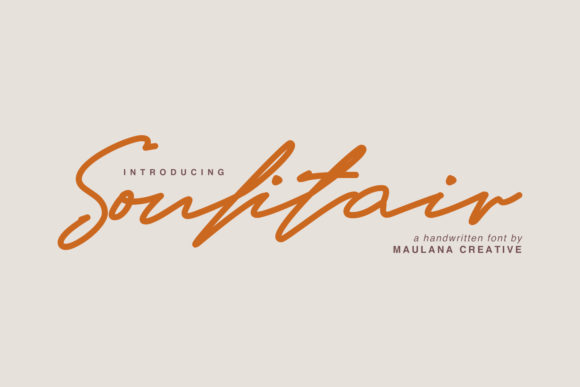
That search led me to Soulitair, a luxurious handwritten font from Script Amp that completely changed how I approach my design projects. If you are a small business owner, entrepreneur, or creative seller who wants your brand to feel polished, memorable, and authentically yours, let me share how this typeface can help elevate your everyday business visuals.
Why Typography Matters More Than You Think
We often underestimate how much our customers judge a brand before they even touch the product. When someone sees your Instagram post, reads your menu, or holds your thank-you card, their brain makes split-second decisions about trustworthiness and quality. This is where typography comes in. It sets the mood. A clean sans serif font might suggest efficiency and modernity, while an elegant serif can imply tradition and luxury. But a script or handwritten font? That adds personality, warmth, and a human touch.
For many of us running small businesses, we aren’t professional designers. We wear every hat—from CEO to customer service rep to graphic designer. Choosing the right font shouldn’t be a headache. It should be a simple way to make everything look consistent and professional. Soulitair struck me immediately because it doesn’t try too hard. It has a signature style with varying baselines and smooth lines that feel natural, not forced. It’s the kind of font that says, “I care about the details,” without shouting for attention.
The Personality Behind Soulitair
What makes Soulitair stand out among other creative fonts is its gorgeous glyphs and stunning alternates. Unlike rigid, mechanical typefaces, Soulitair mimics the subtle imperfections and flow of real handwriting. It feels personal. When I first opened the file, I was impressed by the variety. There are multiple weights and styles included, which means I don’t have to hunt for different fonts to create hierarchy in my designs.
The font carries a mood of relaxed elegance. It’s perfect for brands that want to appear friendly yet sophisticated. Whether you are selling skincare, hosting a boutique café, or offering coaching services, Soulitair brings a sense of calm confidence to your visual assets. It elevates a wide range of design projects by adding a layer of refinement that generic fonts simply cannot achieve. For a handmade seller, this is crucial. You are selling craftsmanship; your typography should reflect that same level of artistry.
Real-World Applications for Your Business
Since switching to Soulitair for my candle business, I’ve found endless ways to use it. Here is how I recommend integrating this typeface into your daily operations:
- Product Packaging and Labels: This was my biggest upgrade. Using Soulitair for the main title on my candle jars gave them an immediate upscale look. The varying baseline added movement to the label, making it more engaging than static text. It works beautifully for bakery boxes, skincare bottles, and boutique tags as well.
- Social Media Graphics: On platforms like Instagram and Pinterest, you have seconds to grab attention. Soulitair is excellent for short phrases, quotes, or headlines on your posts. Because it is a display font, it grabs the eye quickly. Just remember to keep text large enough to read on mobile screens.
- Thank-You Cards and Stickers: These small touches build customer loyalty. Adding a handwritten-style "Thank You" in Soulitair to your packaging inserts feels intimate and thoughtful. It turns a transaction into a connection.
- Menus and Flyers: If you own a café or event space, Soulitair can be used for section headers or special offers. It breaks up the monotony of standard text and guides the customer’s eye through the information naturally.
- Website Banners and Logos: While it might be too decorative for body text, Soulitair shines in logo design for lifestyle brands. It also works well as a hero text on website landing pages to set the tone immediately.
Tips for Readability and Font Pairing
One common concern with handwritten fonts is readability. Soulitair is designed to be legible, but like any script font, it works best for headlines, logos, and short phrases rather than long paragraphs of body copy. For smaller labels, product mockups, or social media thumbnails, ensure you use a size that allows the curves and details to breathe. Avoid shrinking it down too small, or the unique alternates will get lost.
To balance the decorative nature of Soulitair, I always pair it with a clean, simple font. A modern sans serif font is my go-to choice for secondary information like ingredients, pricing, or contact details. This contrast creates a professional structure—the script provides the emotion, while the sans serif provides clarity. You could also pair it with an elegant serif font if you want a more traditional, high-end editorial design feel. The key is to let Soulitair be the star while supporting it with understated typography.
Practical Considerations Before You Buy
Before incorporating Soulitair into your commercial projects, there are a few practical steps to take. First, check the included file formats and weights. Having access to multiple variations gives you flexibility when designing templates or client work. Look closely at the alternates and ligatures; these small details are what give the font its premium feel and allow you to customize the look slightly for different contexts.
Also, verify the licensing terms. As a commercial font, it is essential to understand whether your license covers merchandise, digital downloads, or client work. Ensuring you have the proper rights protects your business and respects the creator’s work. Additionally, check for multilingual support if your brand targets a global audience. Knowing these technical details upfront saves time and prevents legal headaches later.
Ultimately, upgrading your brand visuals doesn’t require a massive budget or a degree in graphic design. Sometimes, it just takes one thoughtful choice—like selecting Soulitair—to make your business look consistent, polished, and ready for growth. By investing in quality design assets, you signal to your customers that you value their experience. And in today’s crowded market, that distinction is everything.